Psychopomps
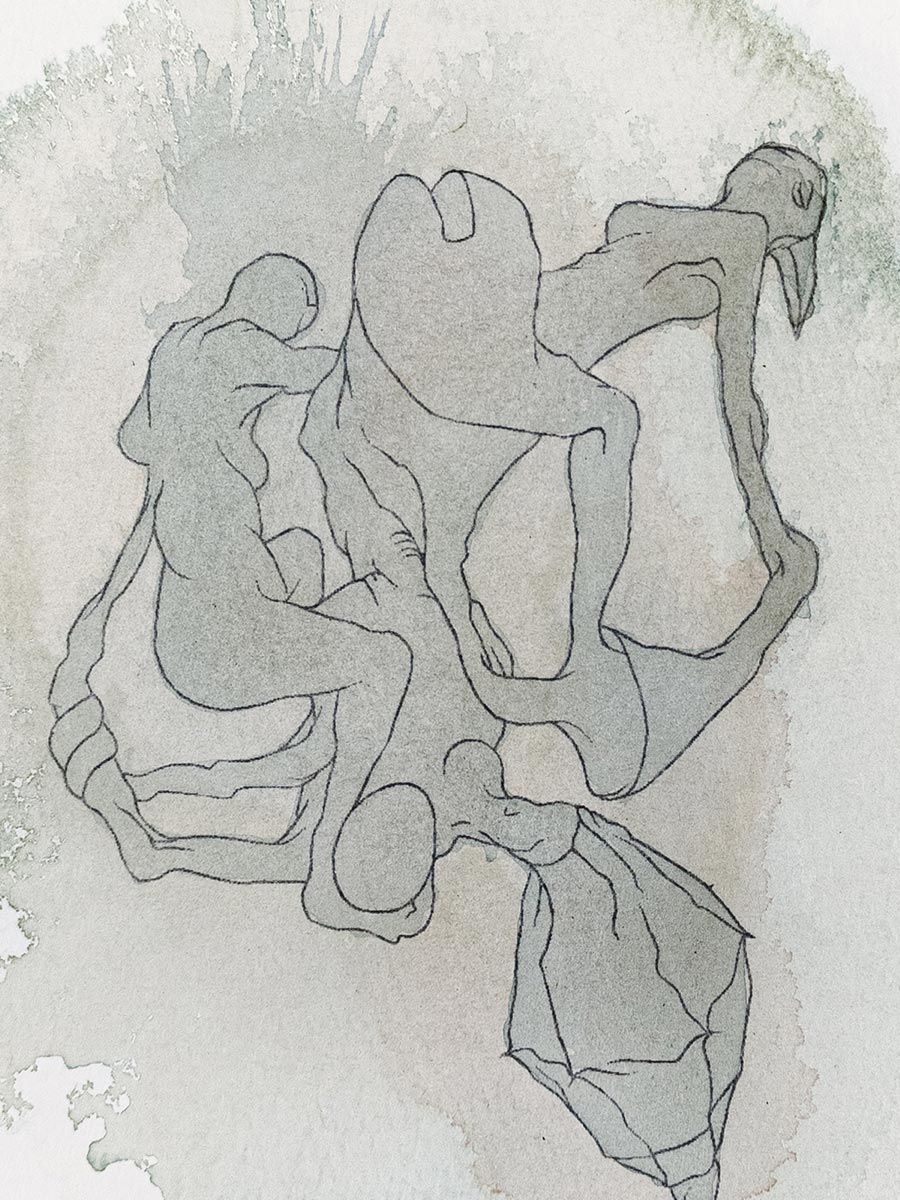
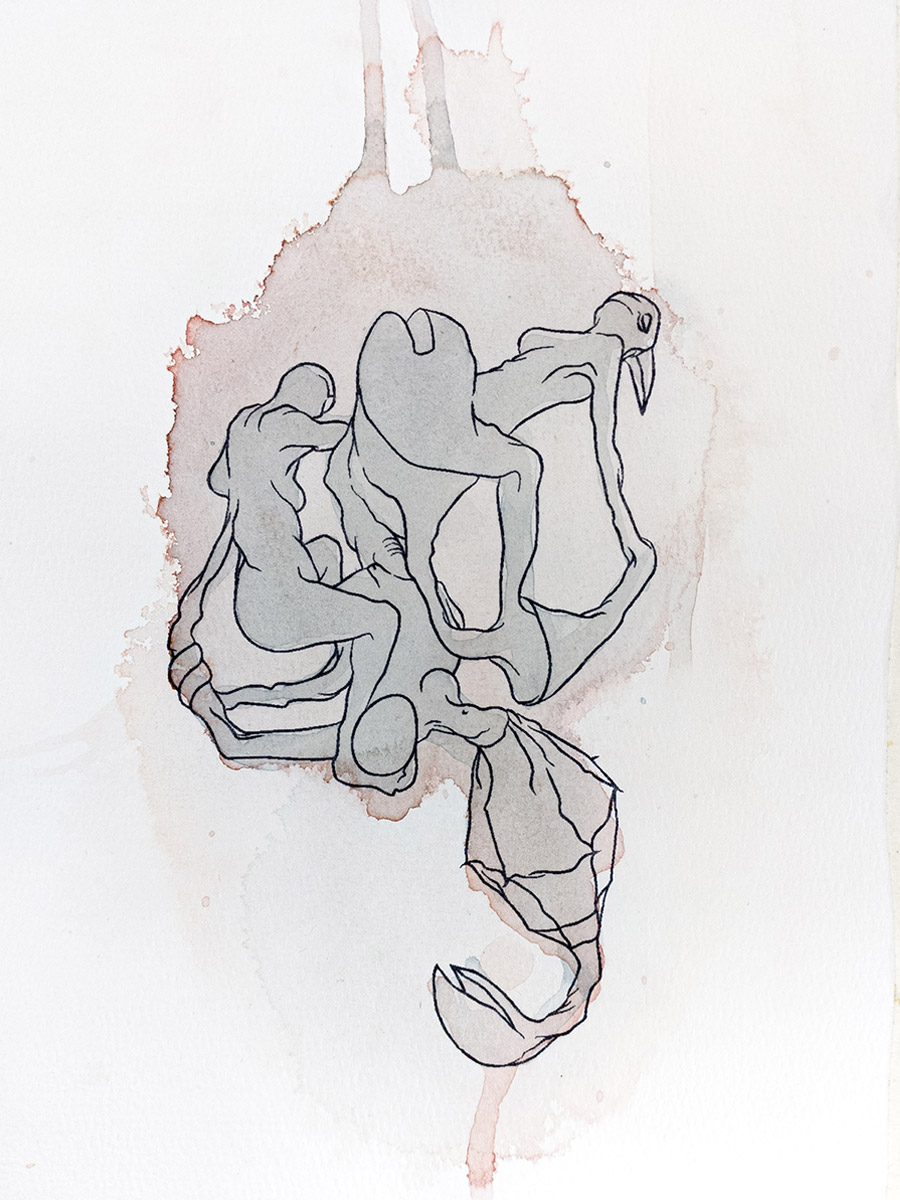
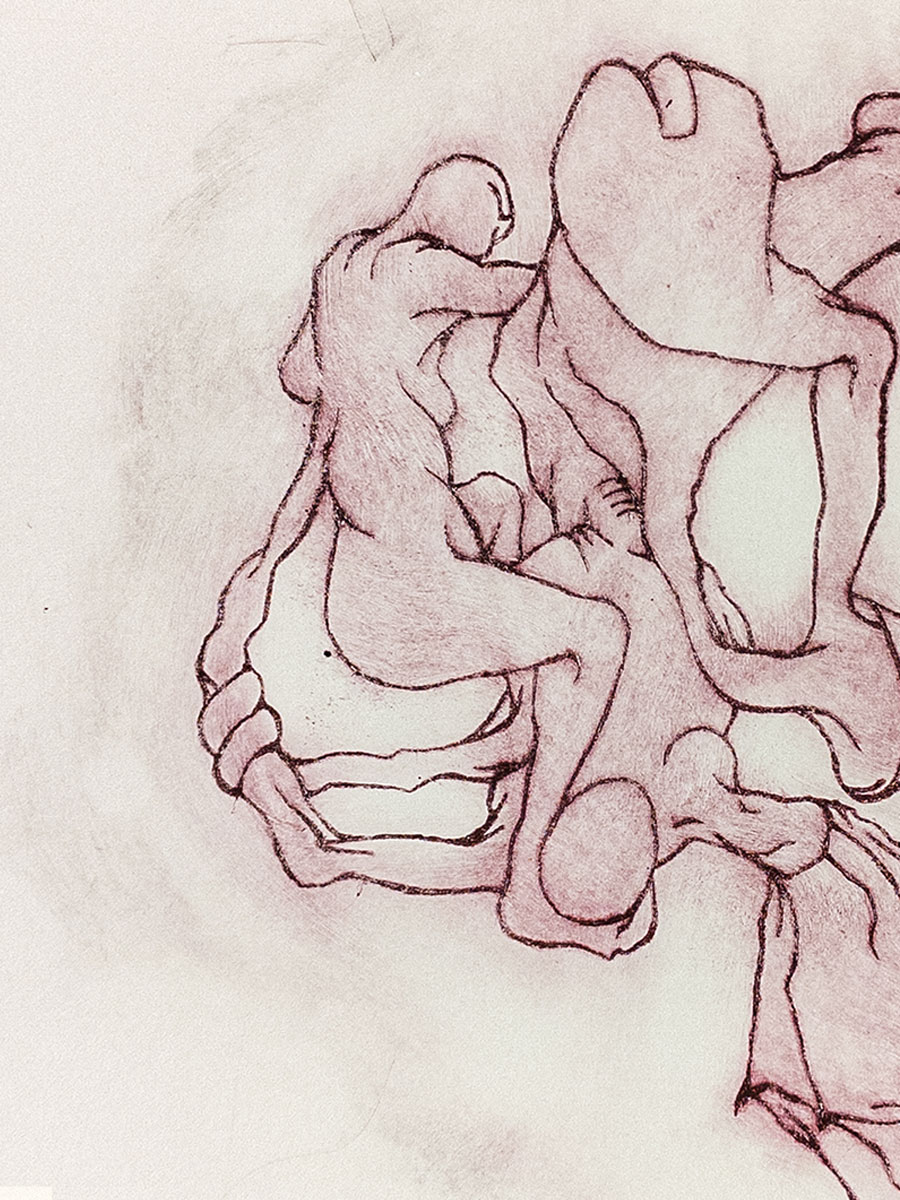
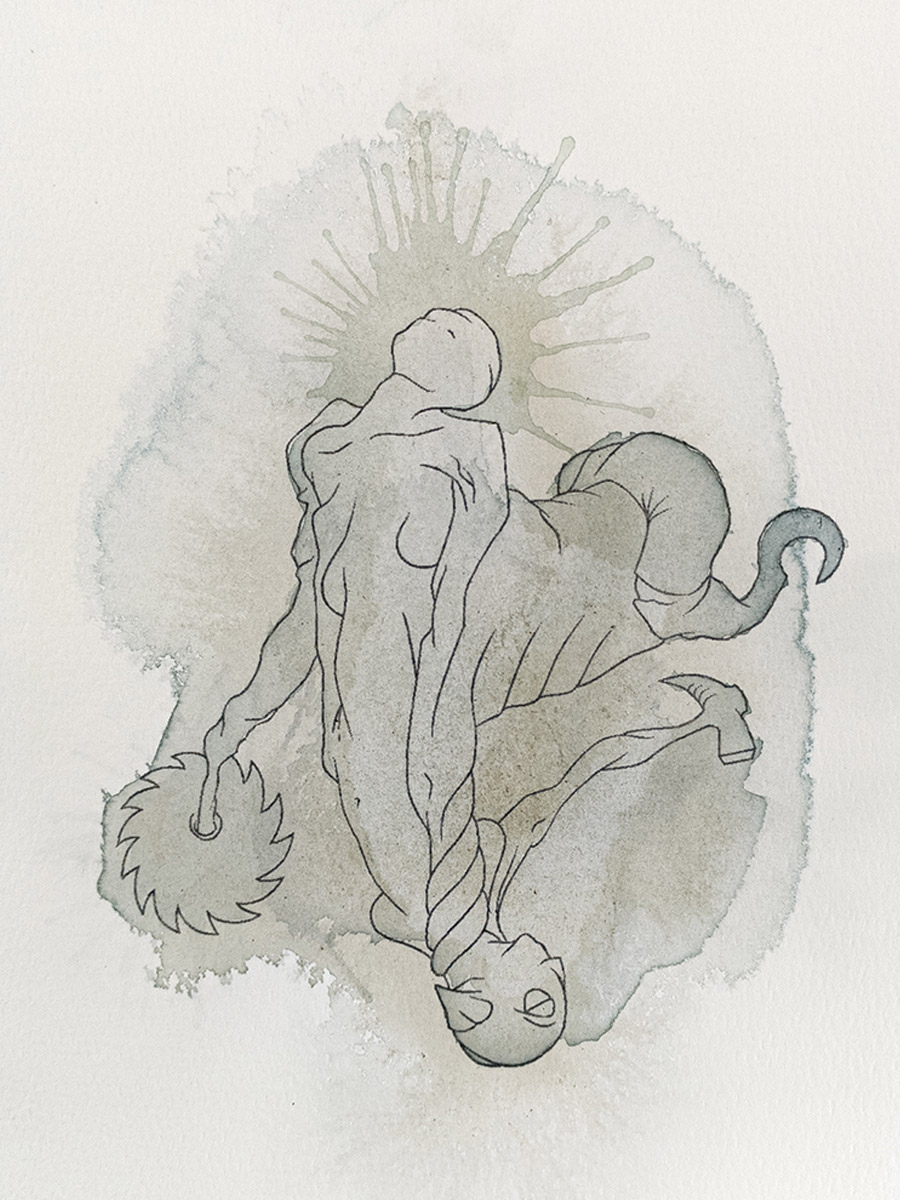
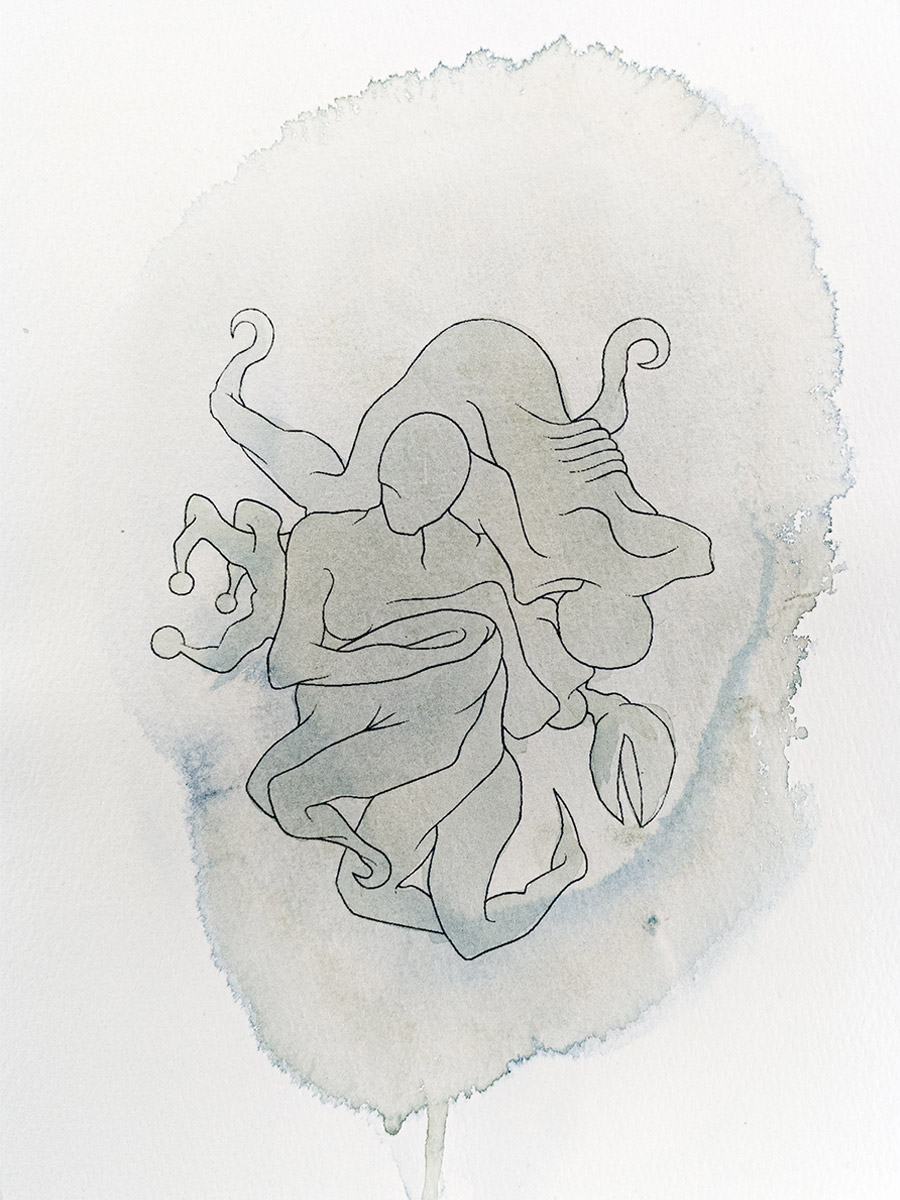
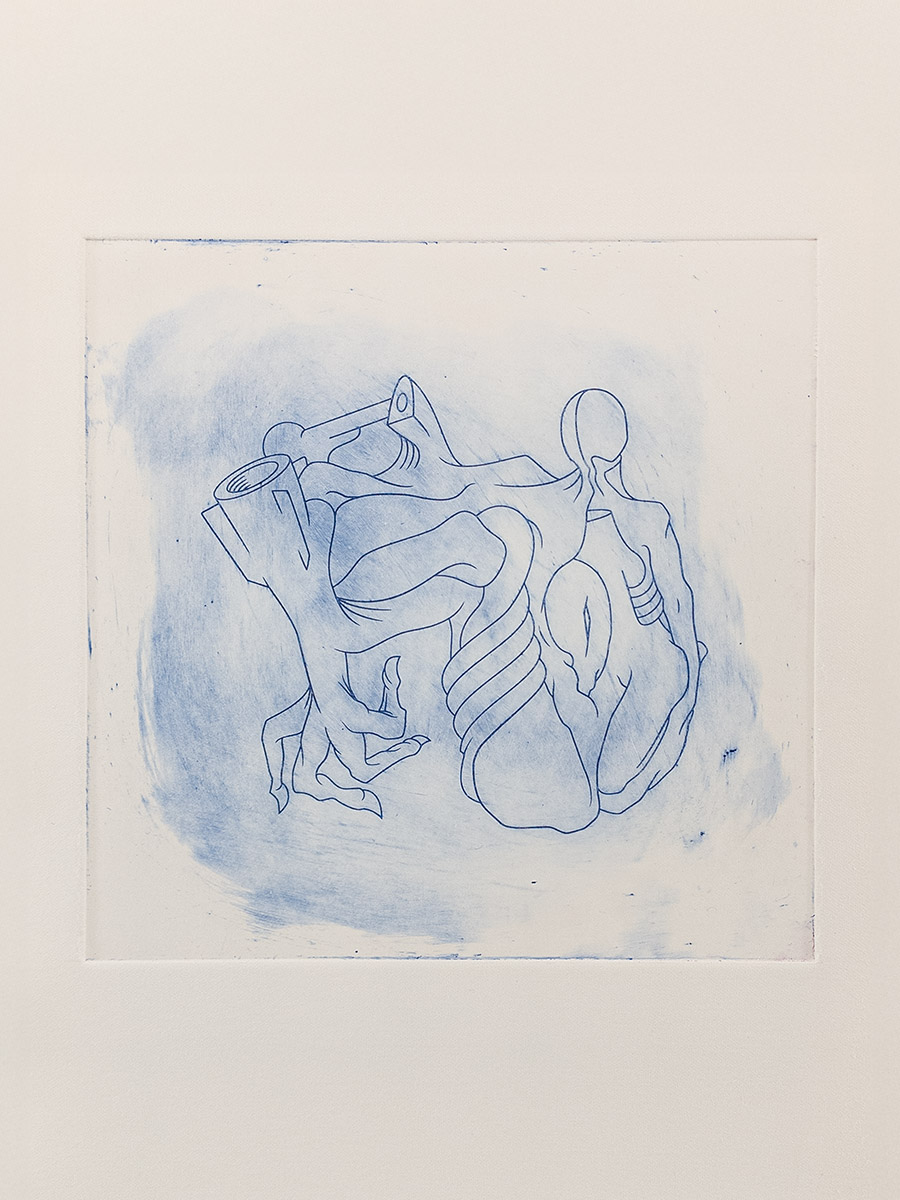
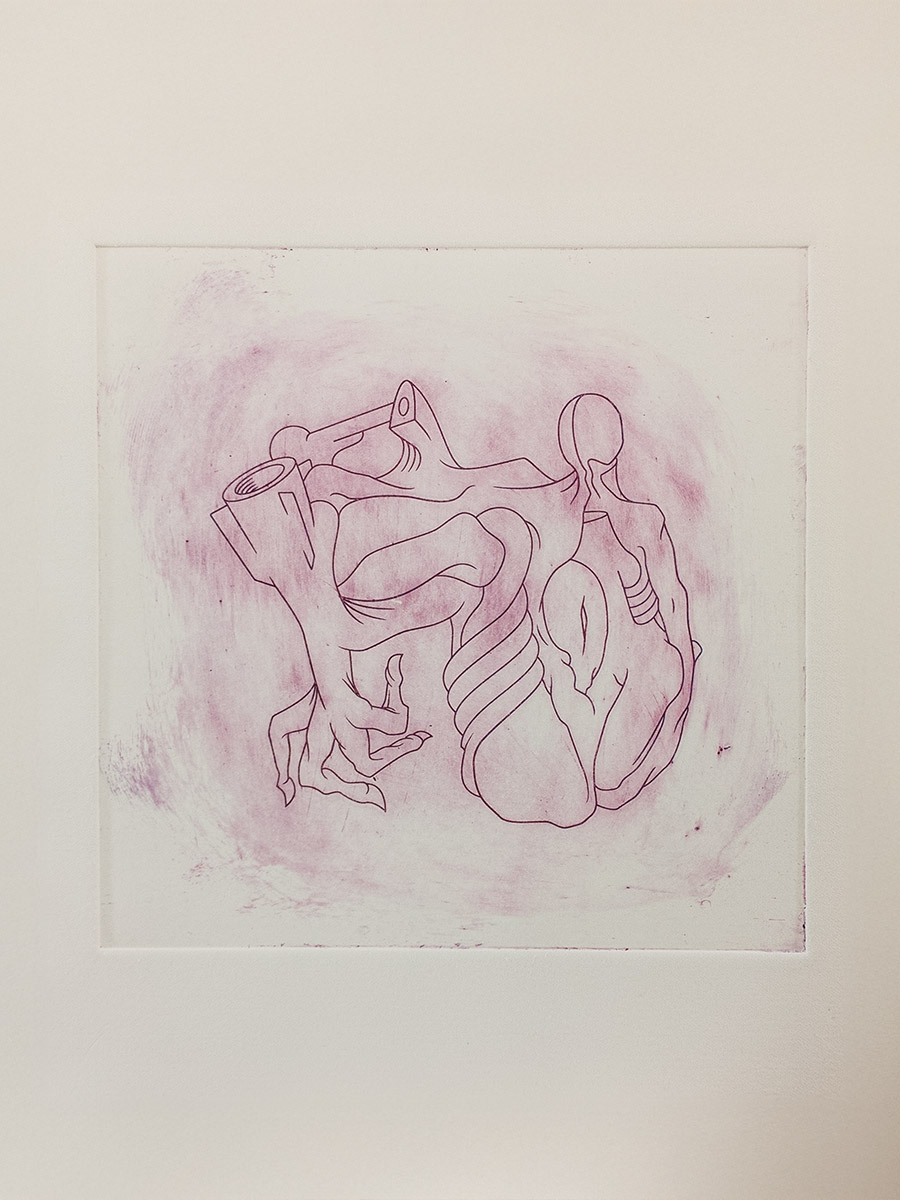
Psychopomps (after pagan Slavic goddess Morana) - various printmaking techniques including drypoint, photoresist and matrix print with watercolor on Fabriano and watercolor paper, variable dimensions, 2025/6
The imagery draws on the concept of psychopomps—beings that guide the souls of the deceased into the afterlife. Across different mythological and religious traditions, these figures appear as angels, demons, spirits, or hybrid creatures combining human and animal features, often with bird-like qualities that suggest movement between worlds. In this reinterpretation, the psychopomp appears as an ambiguous, shifting figure suspended between anthropomorphic and organic forms.
This work draws particularly on the imagery associated with the Slavic pagan goddess Morana, connected with winter, death, and the cyclical decay of nature. Her name derives from the Czech word mor (“plague”), evoking both the destructive and purifying aspects of mortality within natural cycles. The creatures inhabit a threshold space between life and dissolution, functioning as intermediaries between life and death, body and spirit, permanence and mortality.


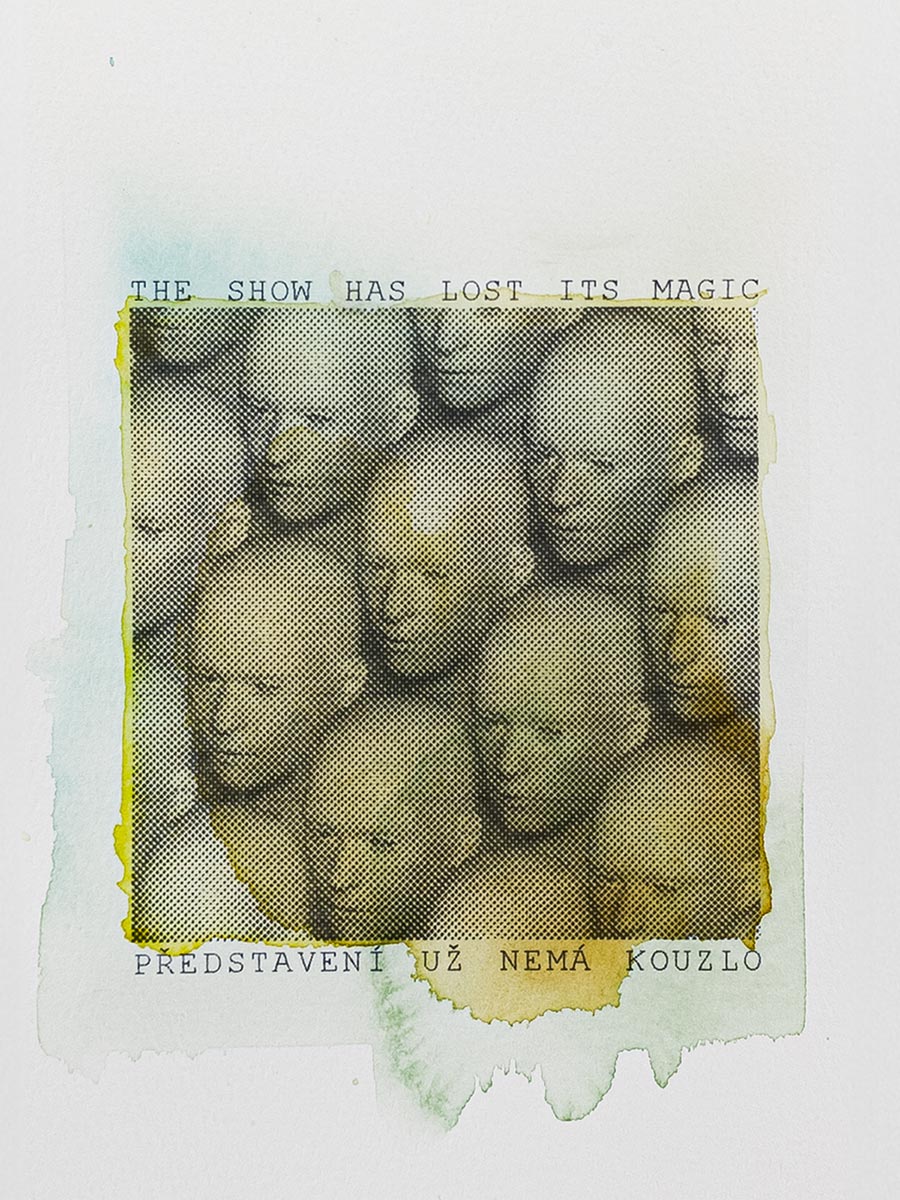
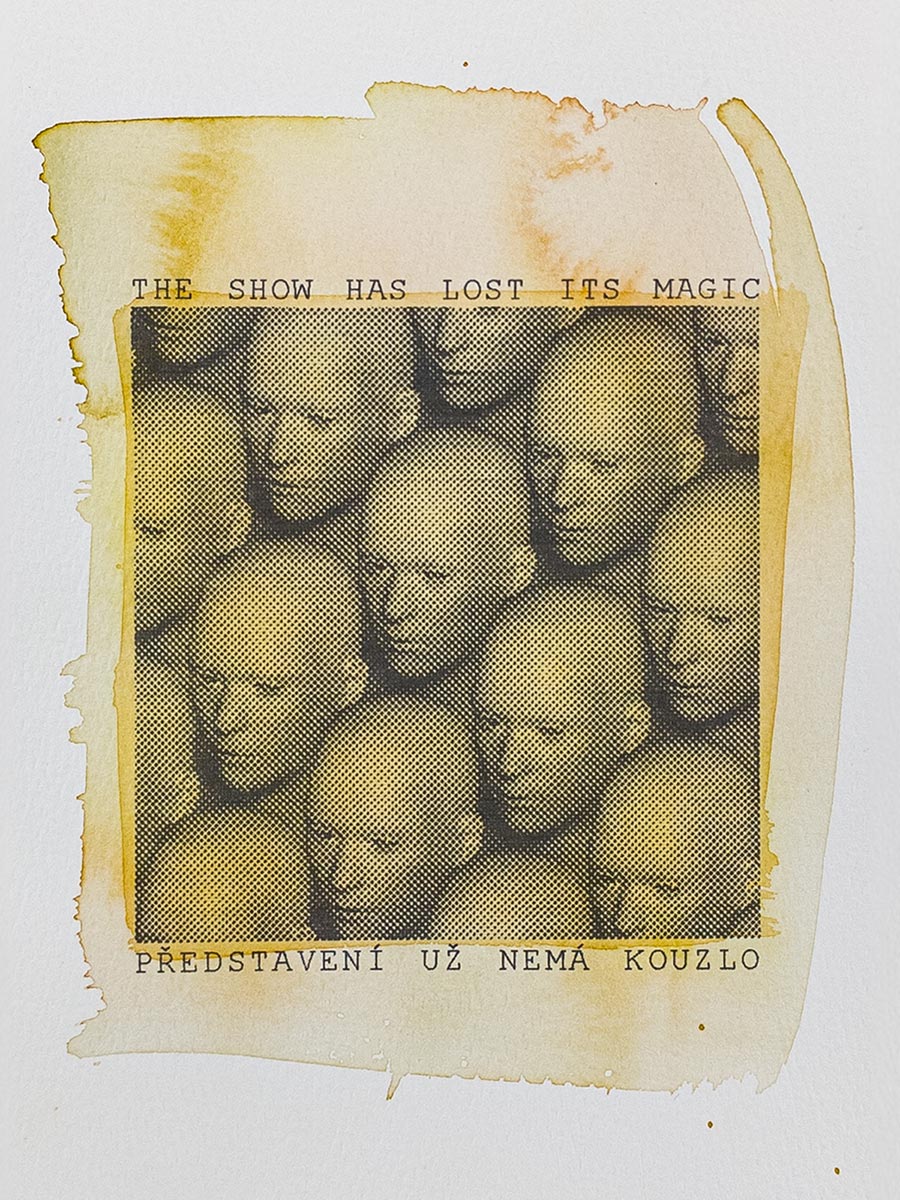
The Show Has Lost Its Magic
Matrix print from original 3D render with watercolor on watercolor paper, 21 x 30 cm, 2025
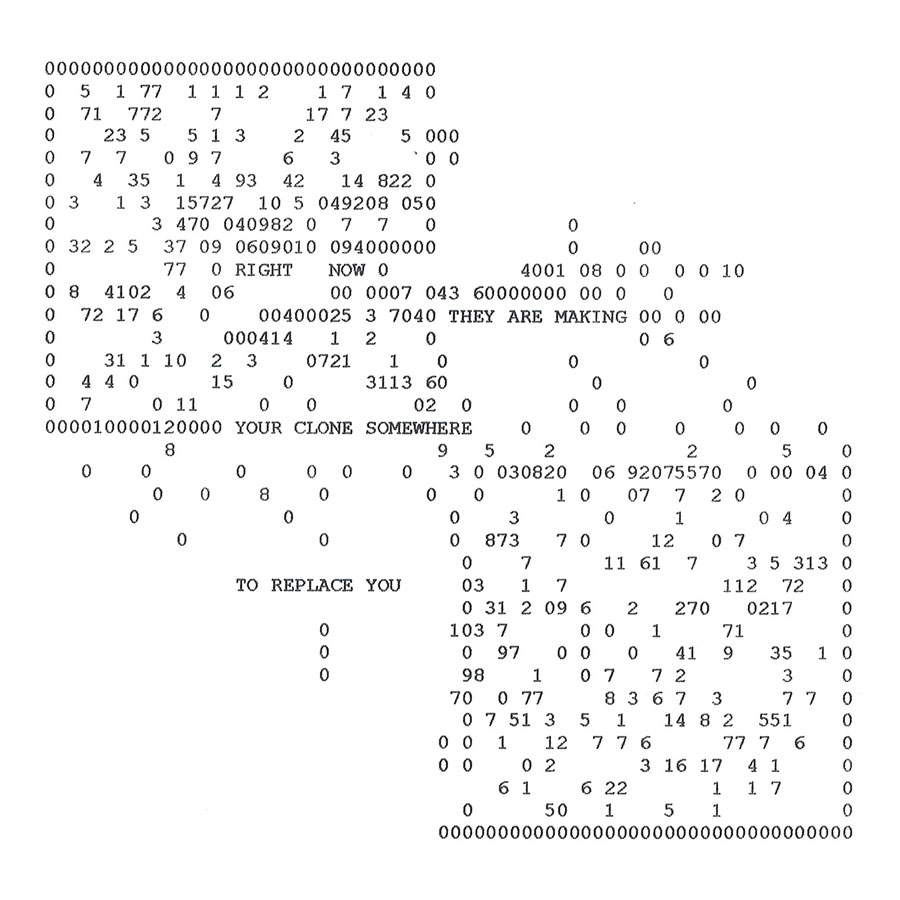
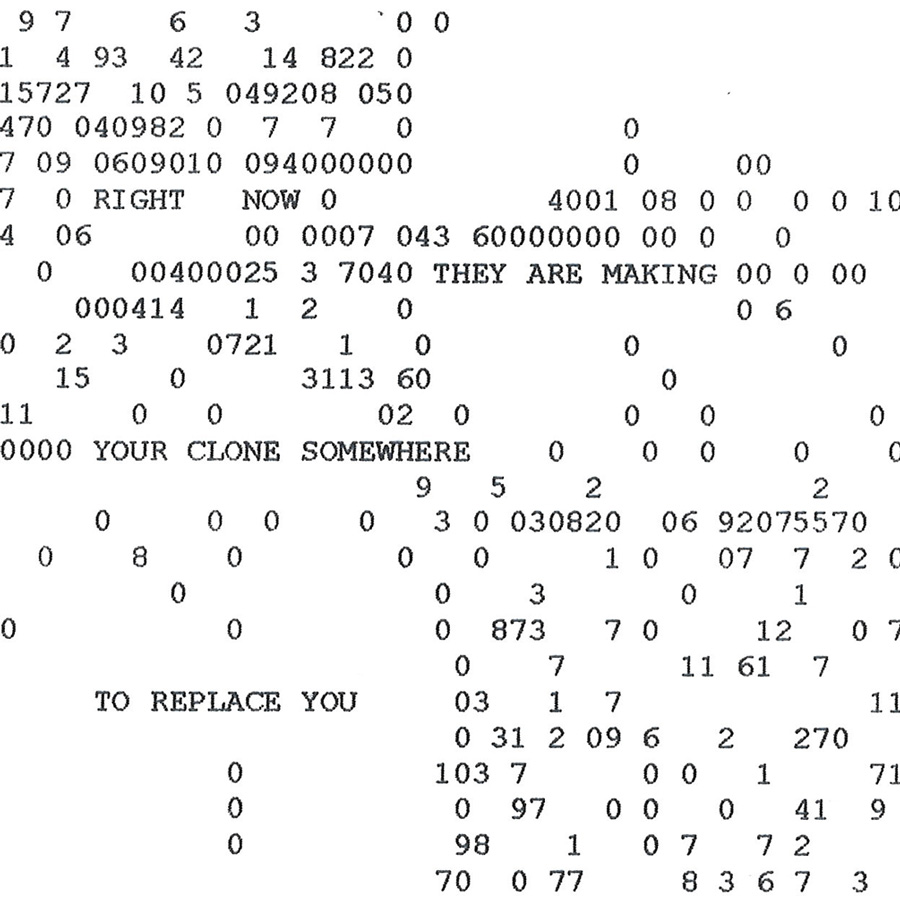
RIGHT NOW, THEY ARE MAKING YOUR CLONE SOMEWHERE TO REPLACE YOU
Matrix print from original 3D render on watercolor paper, 21 x 30 cm, 2025
The print imagines a scenario in which cloning technology has advanced beyond experimental laboratories and entered a far more ambiguous territory: the quiet replacement of individuals by their own biological duplicates. The title itself reads as both a warning and a darkly humorous statement, suggesting an invisible process unfolding somewhere beyond immediate perception. It evokes a sense of paranoia rooted in the possibility that identity—traditionally understood as singular and unrepeatable—could become reproducible, transferable, and ultimately disposable.
This speculation draws subtle inspiration from Invasion of the Body Snatchers, in which humans are secretly replaced by alien replicas indistinguishable from their originals. While the film frames this transformation as an extraterrestrial threat, the artwork reimagines the premise through the lens of contemporary biotechnology. The anxiety no longer originates from an external invasion but from human technological ambition itself. In this sense, the work explores the uneasy intersection of scientific progress and existential uncertainty, where the promise of innovation carries the shadow of a future in which the boundaries of selfhood and authenticity become increasingly unstable.
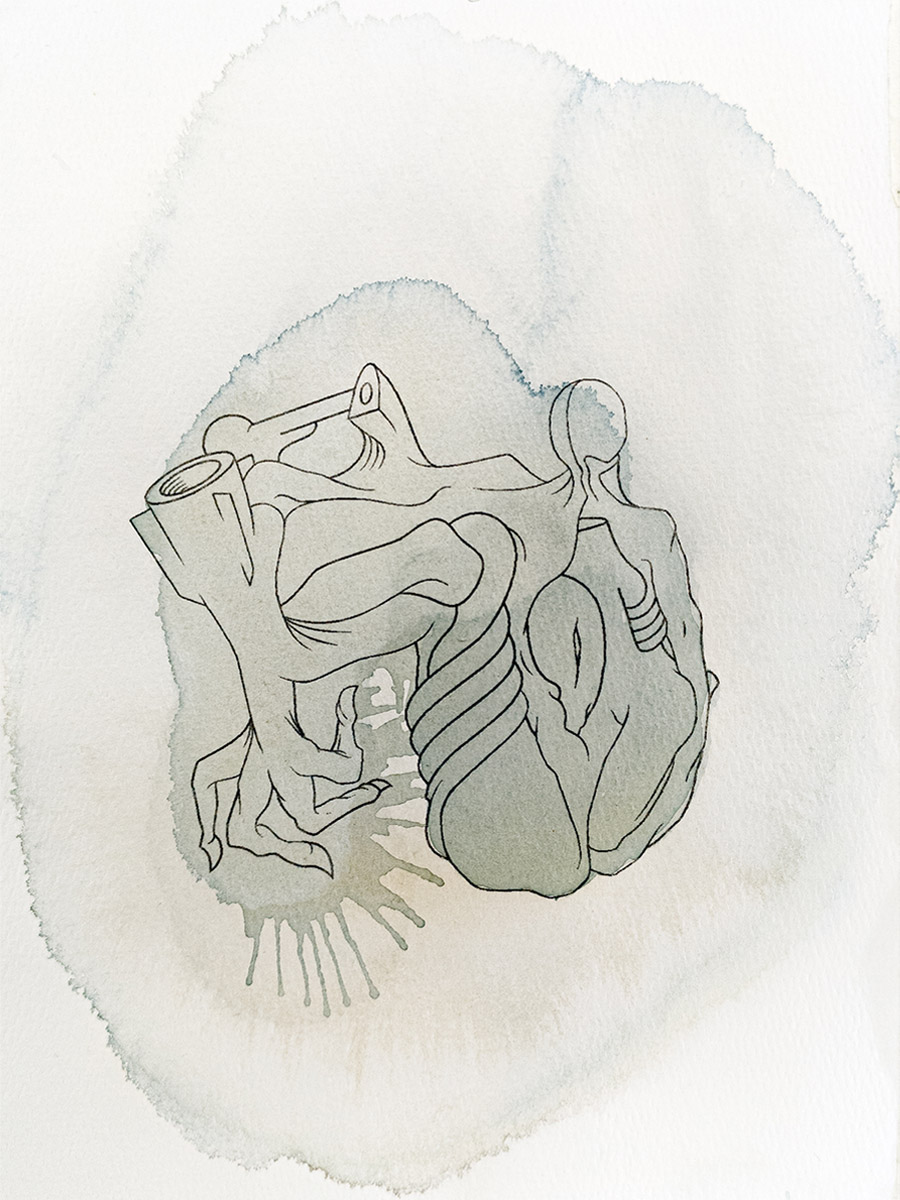
Objects
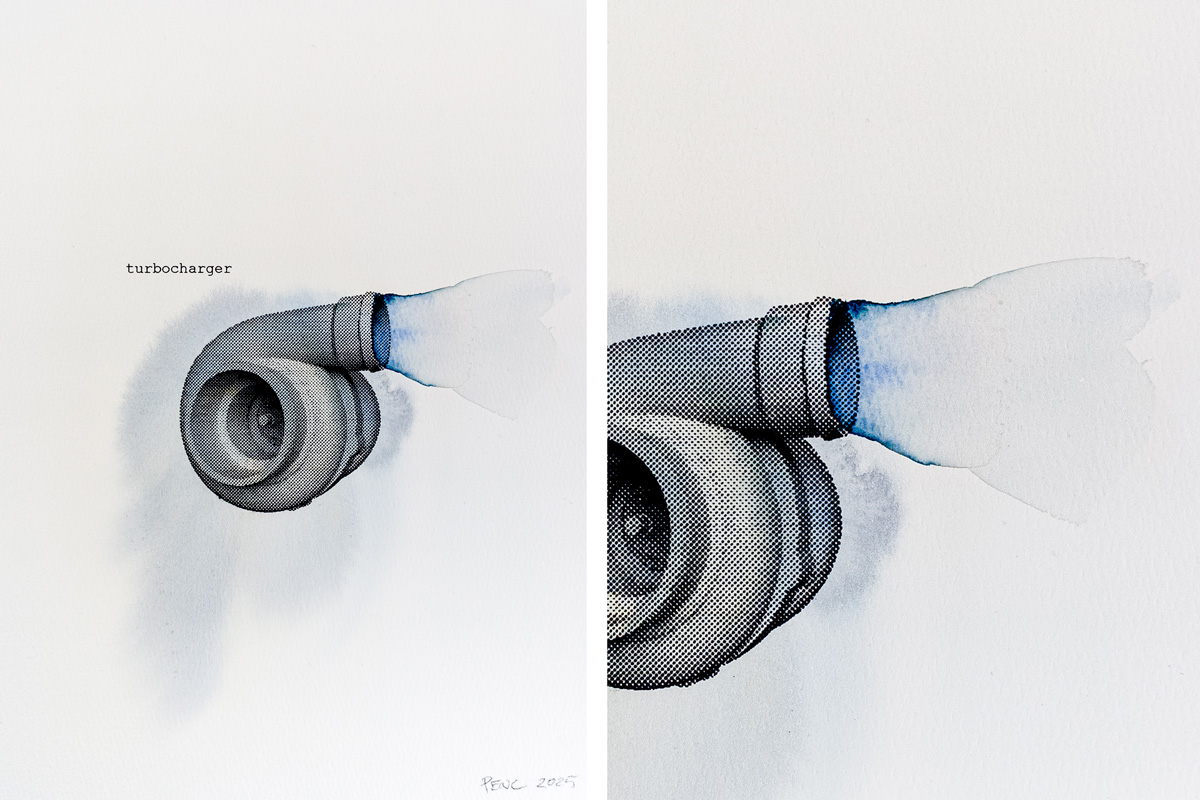
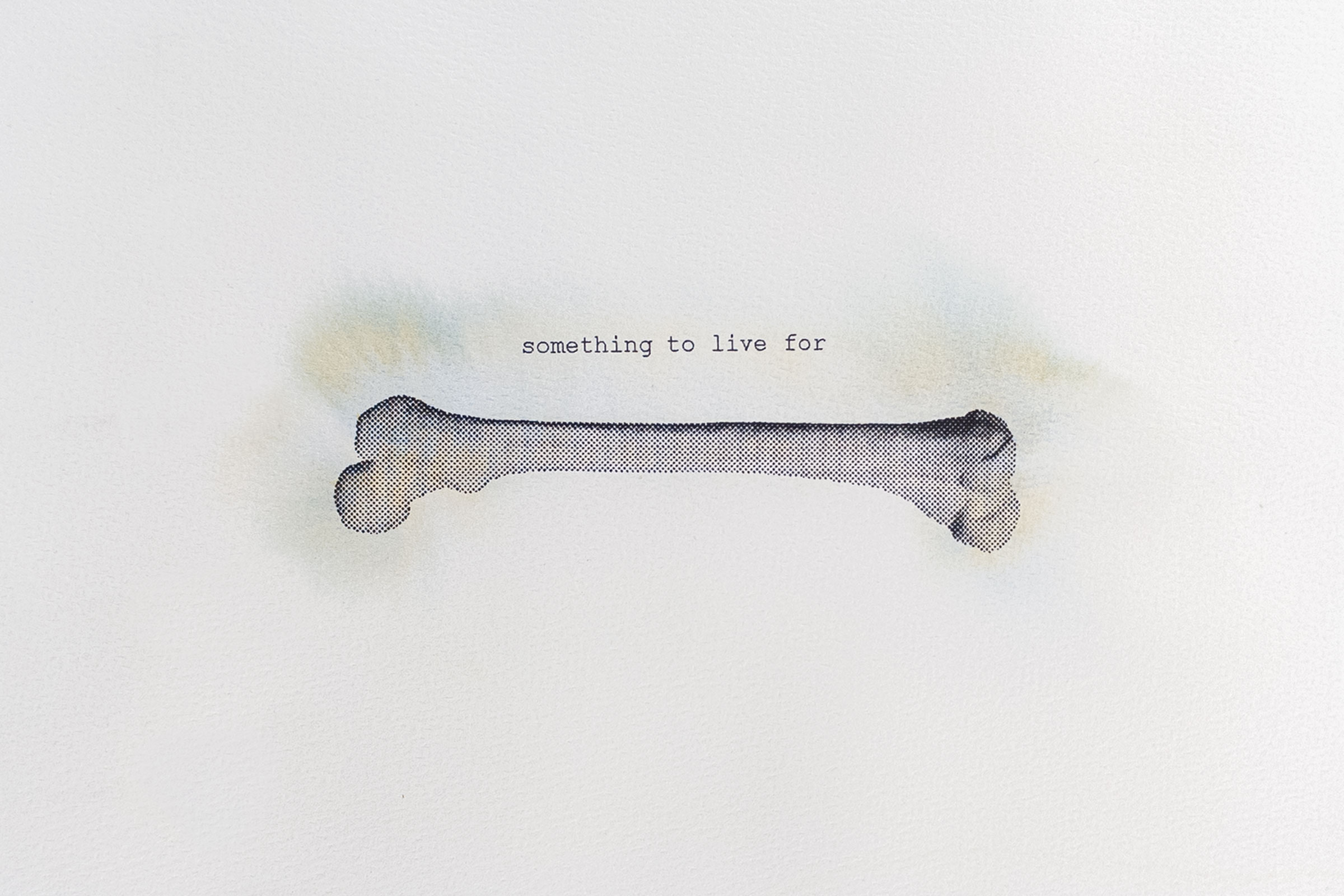
Matrix print from a 3D render with watercolor on watercolor paper, 21 x 30 cm, 2025
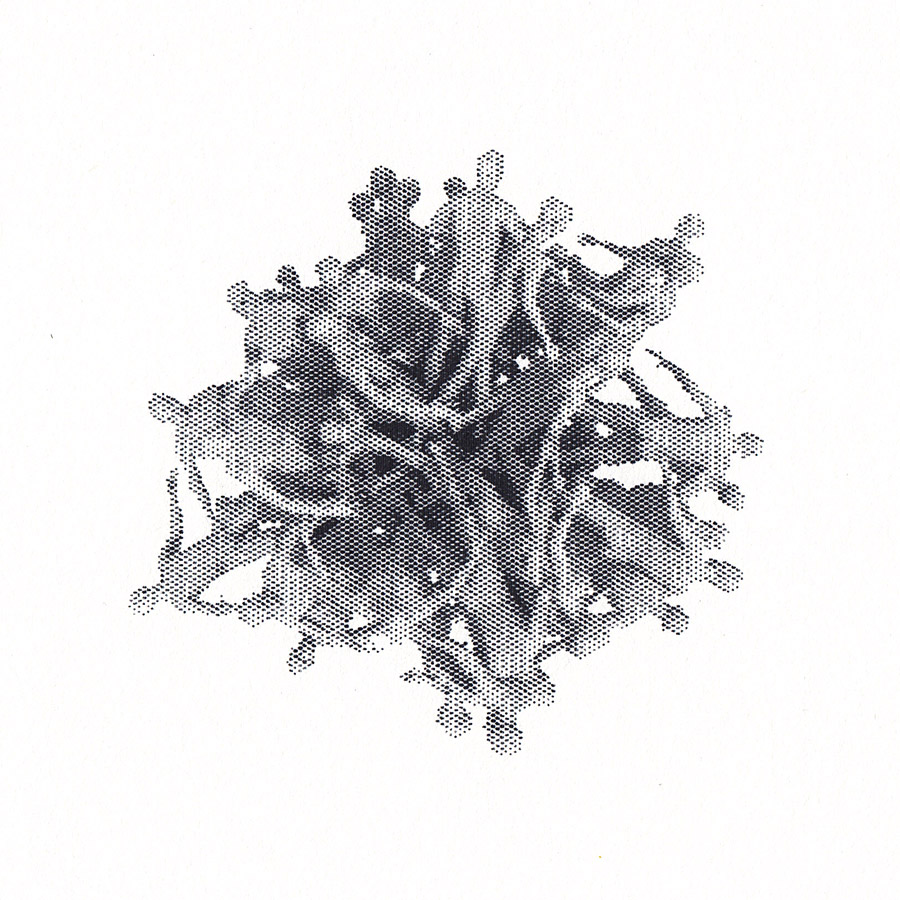
Clusters
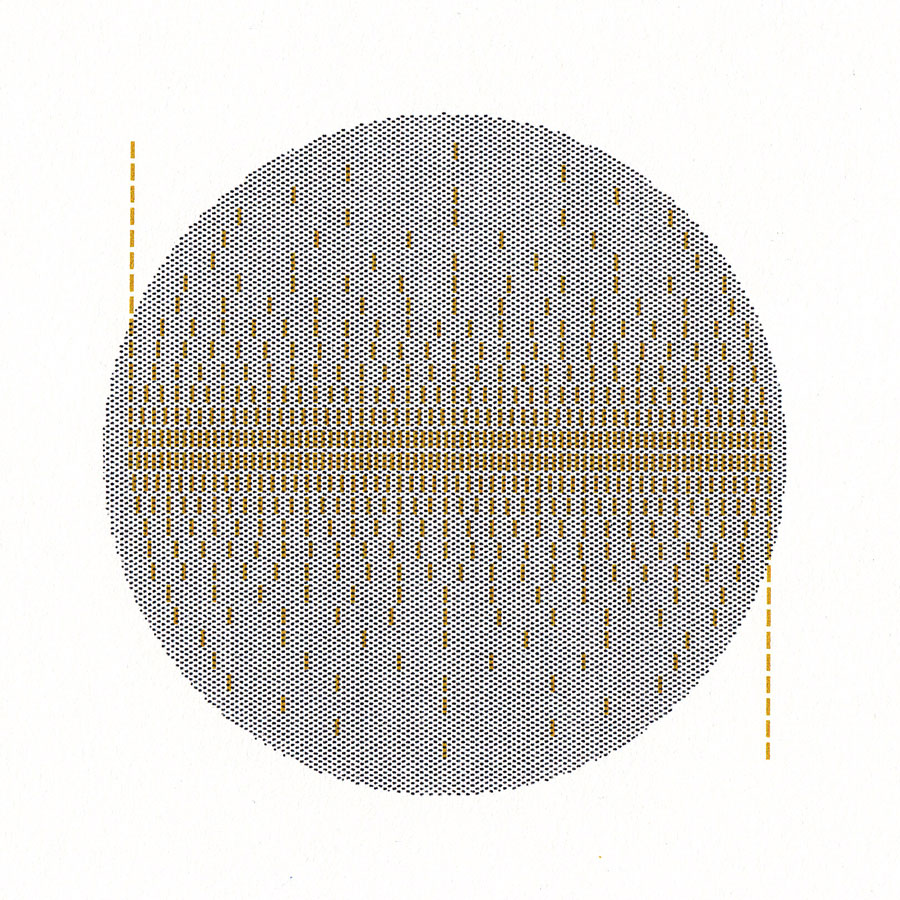
Matrix and inkjet print on archival paper, limited edition, 21 x 30 cm, 2018
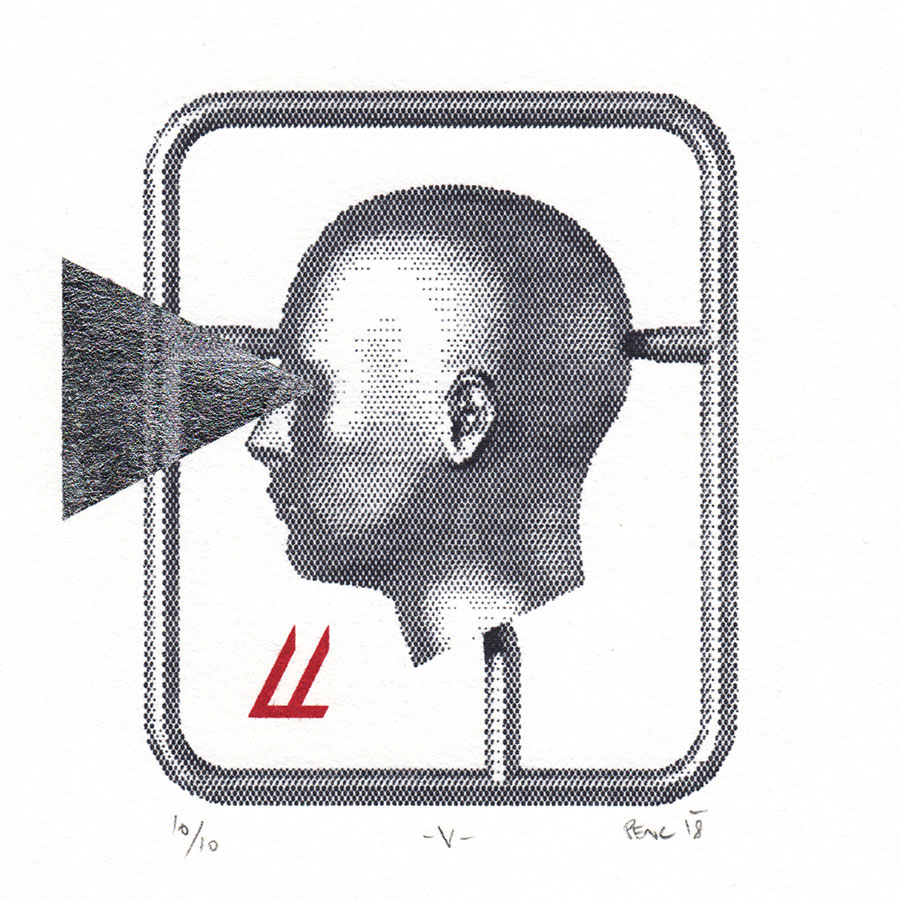
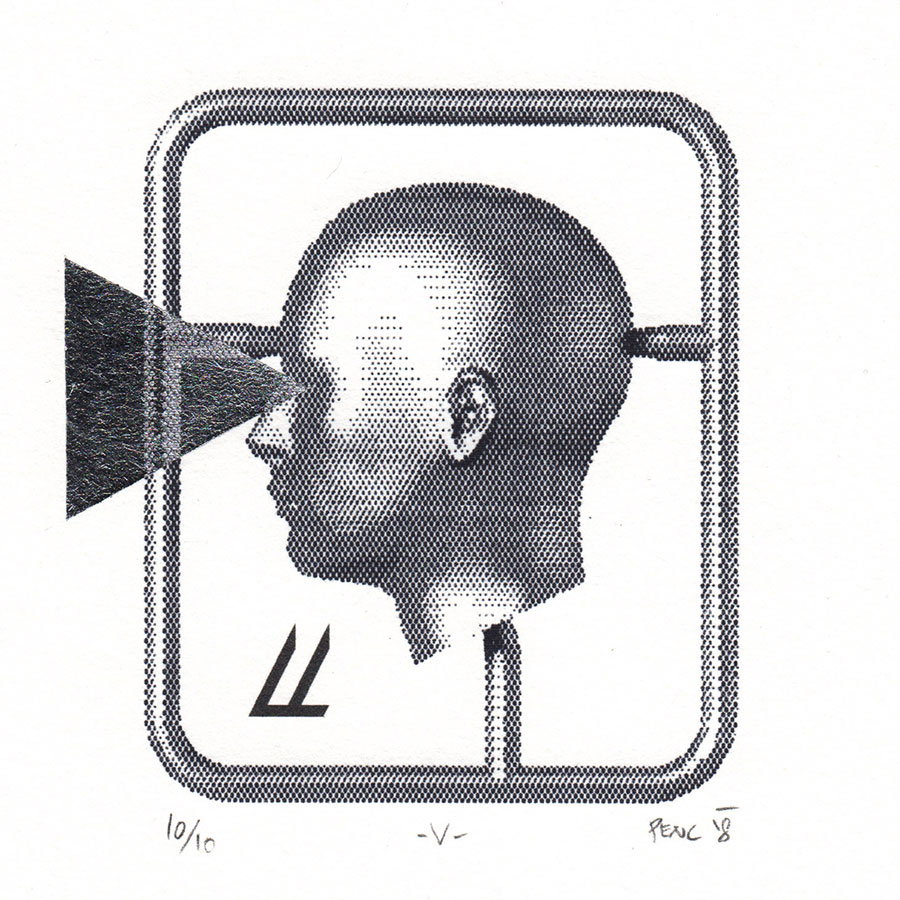
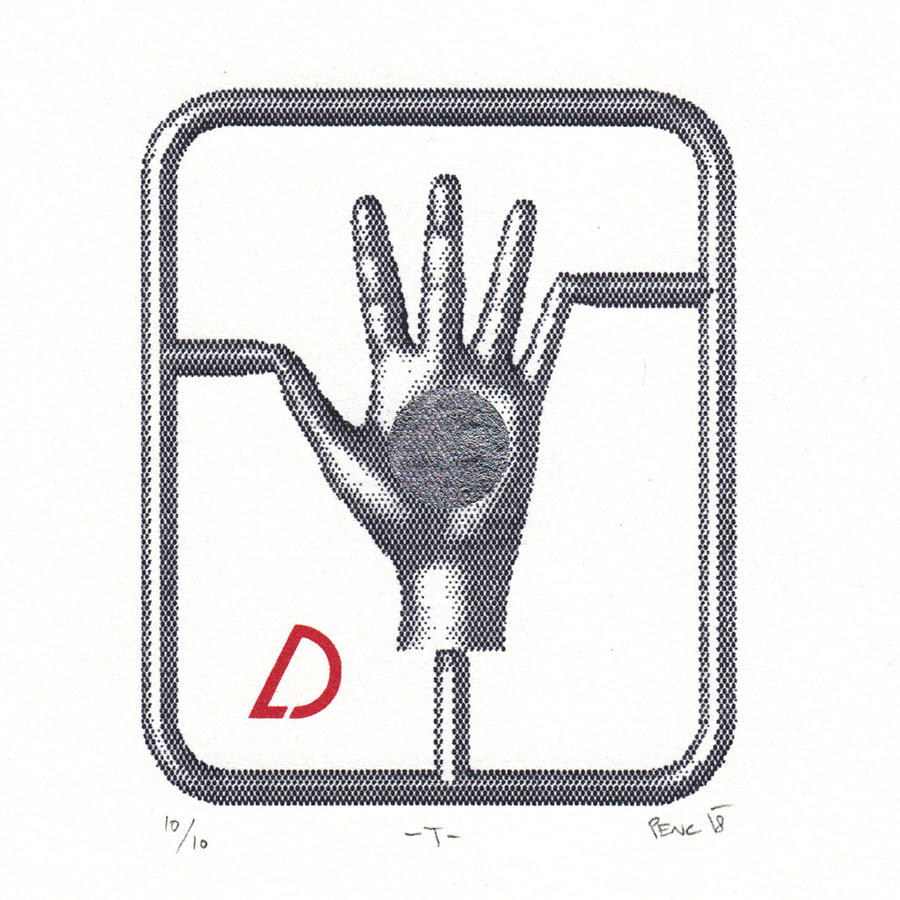
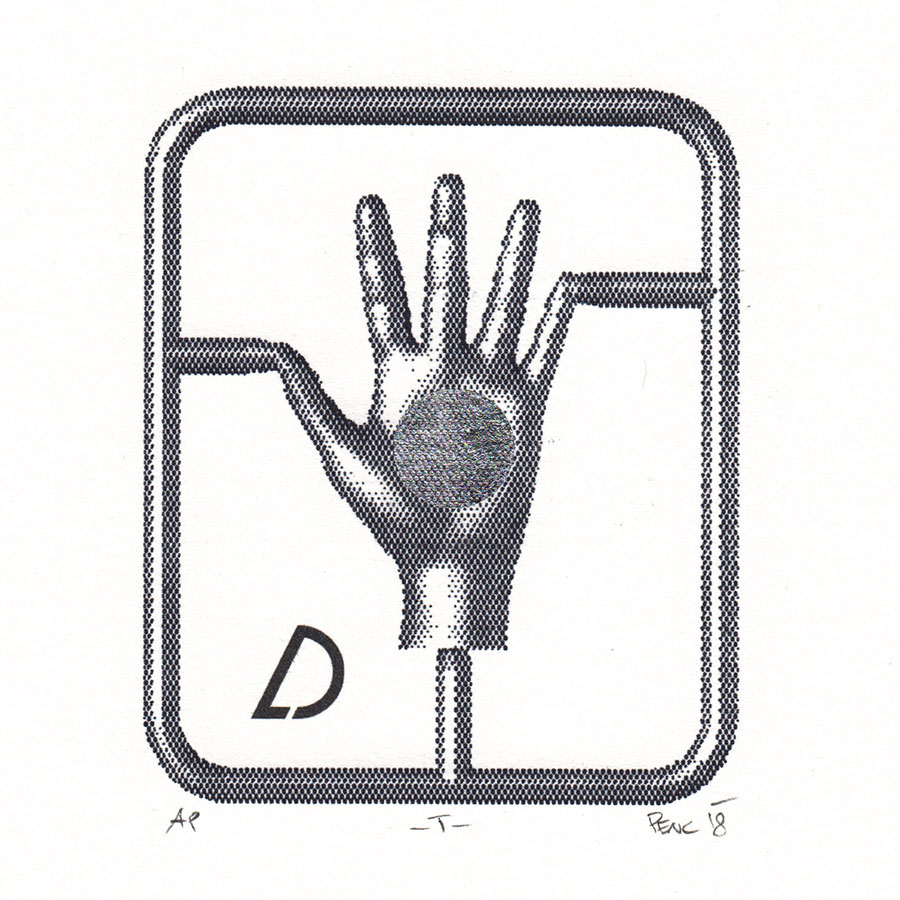
V & T
Matrix and inkjet print with silver leaf on archival paper, limited edition, 25 x 19 cm, 2018
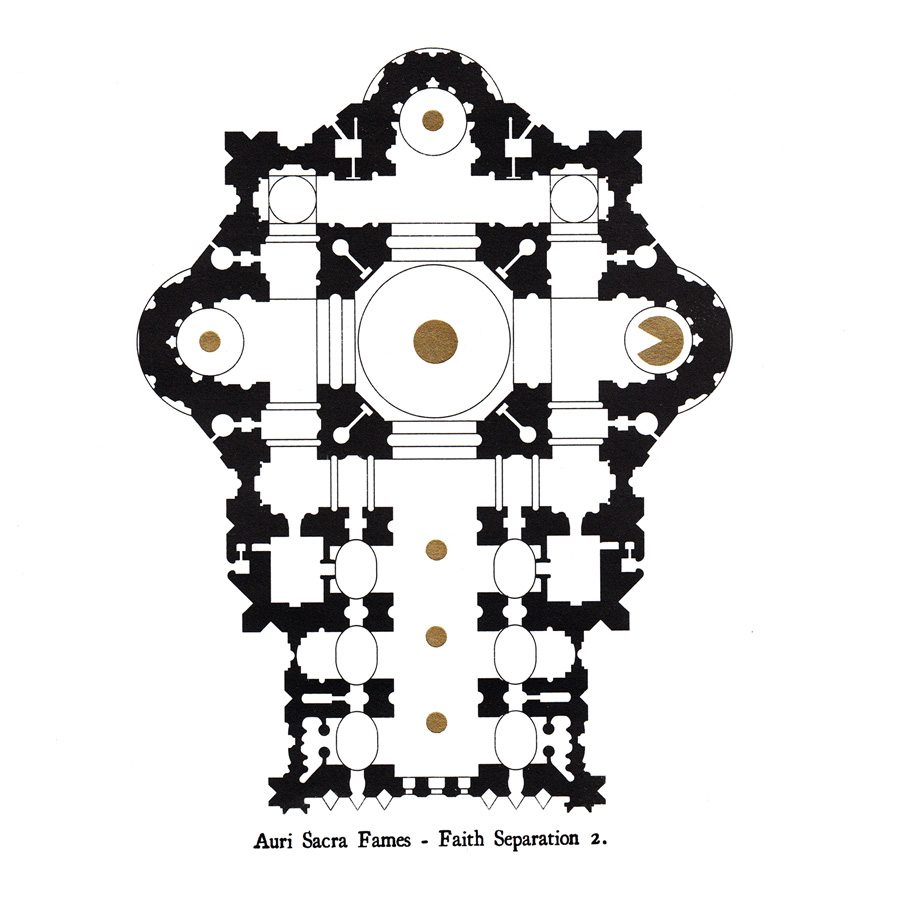
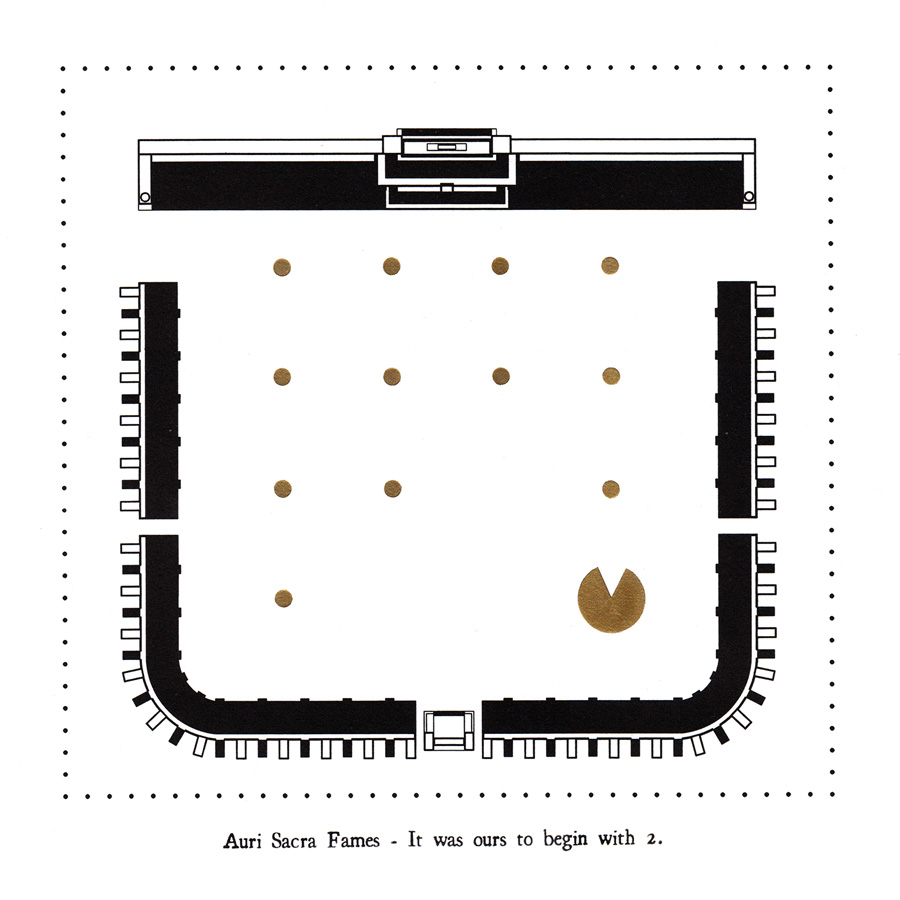
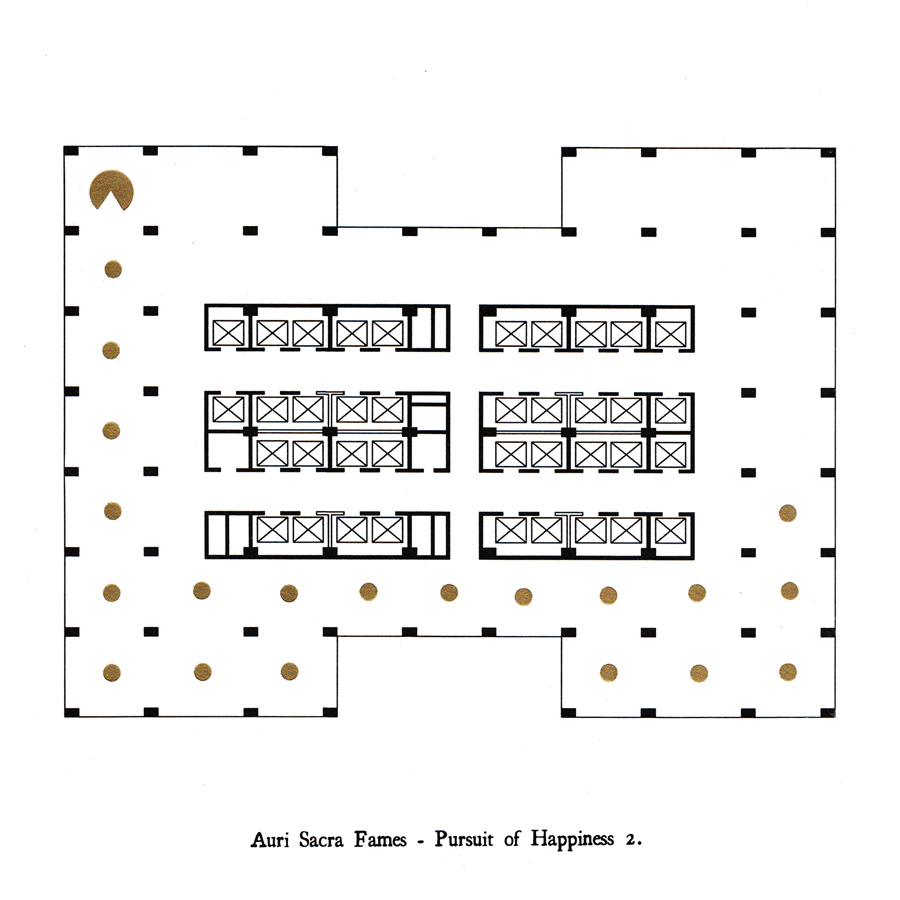
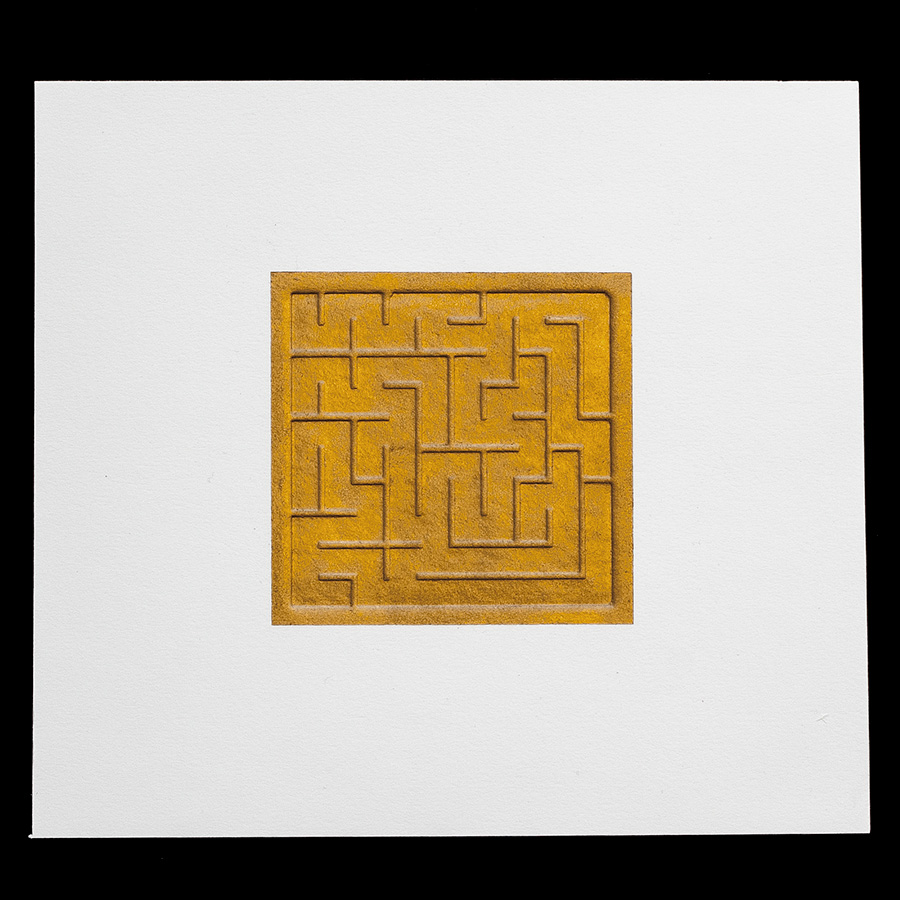
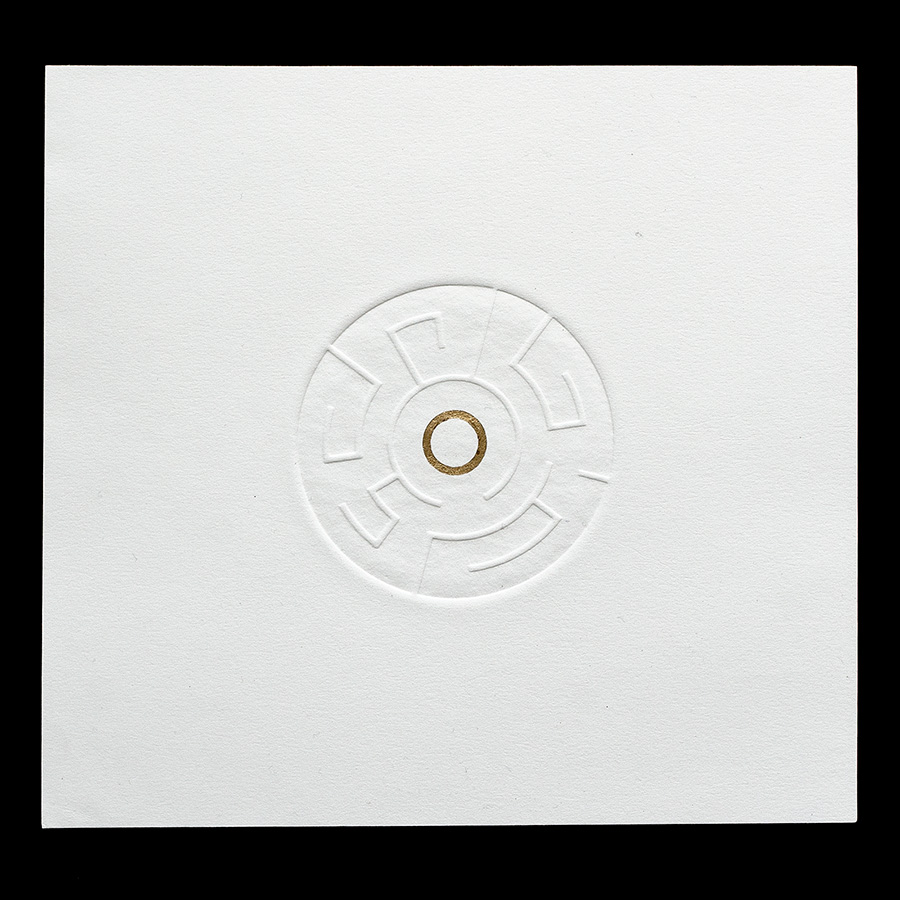
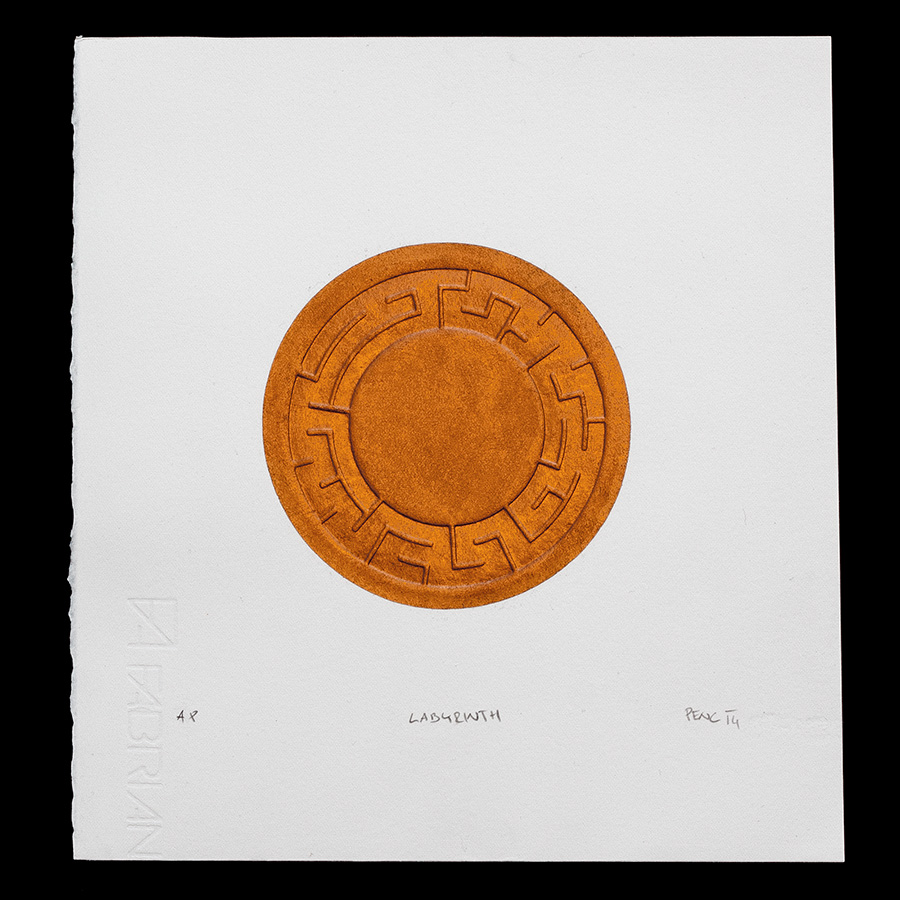
Auri Sacra Fames II
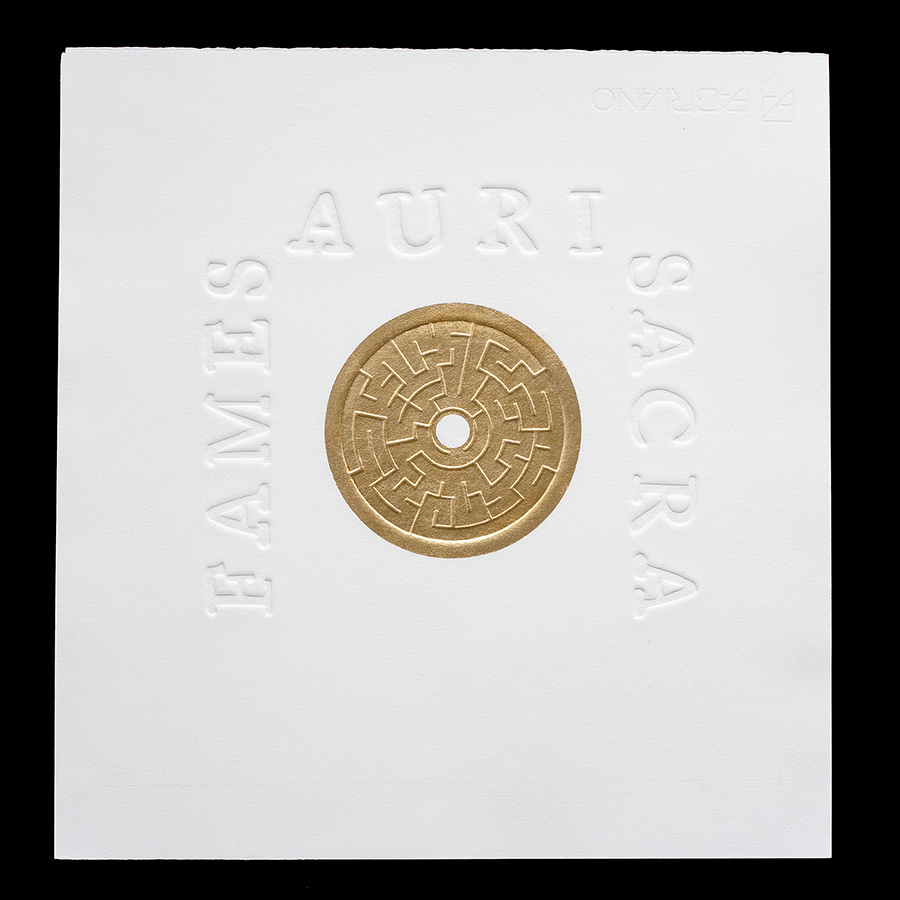
Embossing and gold leaf, one-off mixed media prints, variable dimensions, 2014
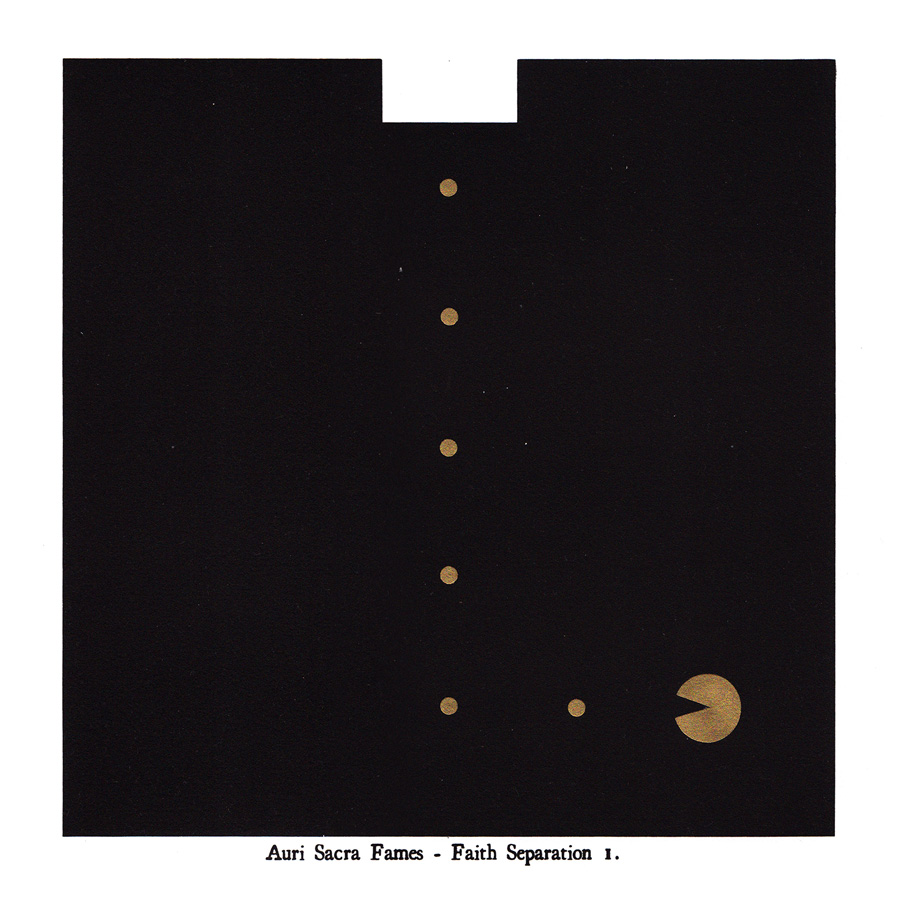
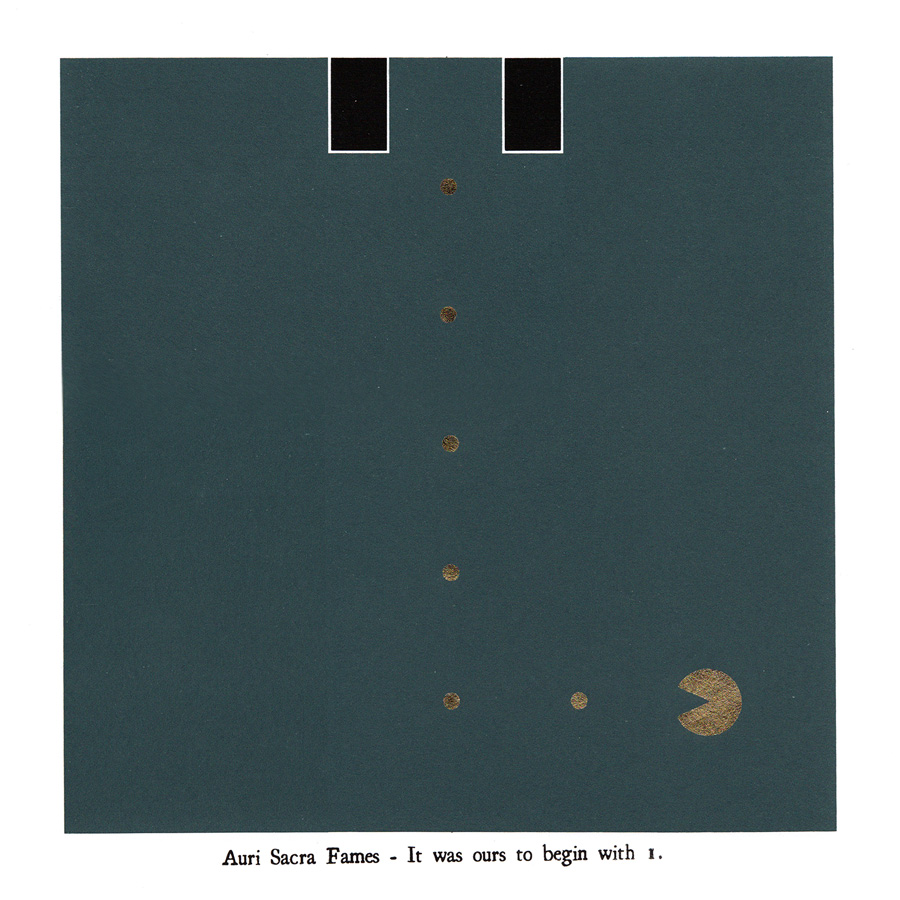
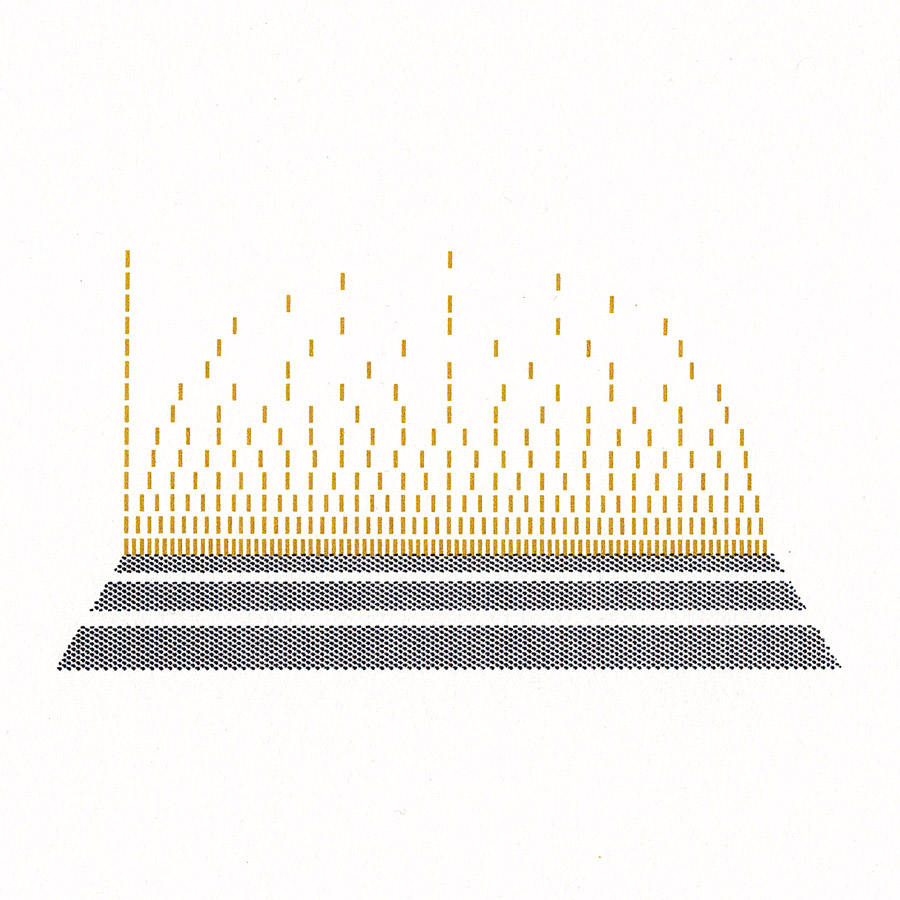
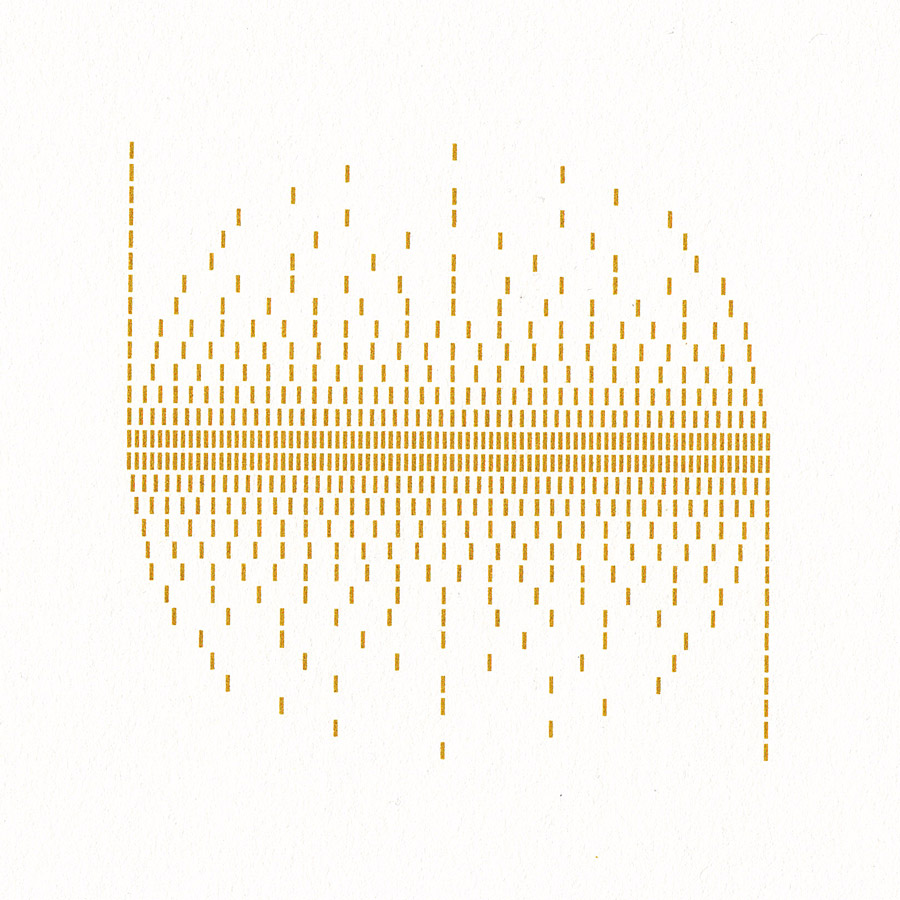
Auri Sacra Fames
Screen print and gold leaf, limited edition, 35 x 35 cm, 2014